10 Hidden Gems in Bangkok That Reveal Local Life
1. Song Wat Road - Where Heritage Meets Bangkok's Creative Scene
- Known for: Historic trading streets, street art, heritage cafés, Chinese merchant culture, and independent creative businesses
- How to get there: Take the MRT Blue Line to Wat Mangkon Station, Exit 1, then walk approximately 10 minutes toward Song Wat Road. Alternatively, take a Chao Phraya Express Boat that stops at Ratchawong Pier and continue on foot
- Best time to visit: Late morning to afternoon, when shops and galleries are active
Song Wat is a historic trading street near Bangkok's Chinatown that has gradually evolved into one of the city's most interesting creative neighborhoods. Its old shophouses and warehouses once supported riverside commerce, with merchants trading spices, dried goods, and other products arriving along the Chao Phraya River.
Today, traditional wholesalers operate alongside contemporary cafés, independent galleries, and design shops. These details reveal how Song Wat continues to balance its commercial past with a new creative identity.
Things to discover:
- Street art: Find the elephant mural by Belgian artist ROA and other artworks along the old buildings
- Heritage architecture: Admire traditional shophouses, warehouses, and decorative Chinese building details
- Creative spaces: Explore independent galleries, boutiques, and design-led cafés
- Local food: Try traditional Chinese steamed buns, noodles, or baked goods from neighborhood businesses
Seasonal highlight: Chinese New Year falls on 6 February 2027. Visitors can explore Song Wat before heading to nearby Chinatown. For festival information, read our Chinese New Year in Bangkok guide.
2. Kudeejeen - Bangkok's Portuguese-Thai Riverside Community
- Known for: Portuguese-Thai heritage, multicultural religious landmarks, traditional sponge cakes, and peaceful riverside walks
- How to get there: Take the MRT Blue Line to Sanam Chai Station, Exit 5. Walk to Pak Khlong Talat (Atsadang) Pier and use the cross-river ferry toward Santa Cruz Pier. Confirm ferry operations before traveling
- Best time to visit: Morning or late afternoon for comfortable walking and photography
Kudeejeen, also known as Kudi Chin, is a historic riverside neighborhood in Thonburi where Portuguese, Thai, Chinese, and Muslim communities have influenced local traditions for generations. Its narrow residential walkways, religious landmarks, and traditional bakeries offer a quieter alternative to Bangkok's busy commercial districts.
The community is particularly famous for khanom farang kudeejeen, a Portuguese-influenced sponge cake preserved through family recipes. Visitors can explore churches, temples, shrines, and community museums while learning how different cultures helped shape Bangkok's early riverside settlements.
Things to discover:
- Santa Cruz Church: Admire the distinctive architecture of this historic Catholic landmark
- Traditional desserts: Taste khanom farang kudeejeen, often decorated with dried fruit or other sweet toppings
- Baan Kudichin Museum: Learn about the neighborhood's history and multicultural heritage
- Kian An Keng Shrine: Discover traditional Chinese religious architecture along the riverside
Seasonal highlights:
- Vijit Chao Phraya 2026: From 13 November to 13 December, the riverside festival includes light displays and scheduled cultural performances at nearby Wat Kalayanamitr.
- Christmas, 25 December: Santa Cruz Church reflects Kudeejeen's Christian heritage. Check with the church for any confirmed public services or special activities.
3. Talat Noi - Street Art and Living Chinese Heritage
- Known for: Chinese heritage, street photography, traditional repair workshops, shrines, and creative cafés
- How to get there: Take the MRT Blue Line to Hua Lamphong Station and continue on foot toward Talat Noi, or arrive through Wat Mangkon Station and explore via Song Wat Road
- Best time to visit: Morning to late afternoon, particularly for photography and walking
Talat Noi is one of Bangkok's oldest Chinese communities, where narrow alleys connect historic homes, shrines, auto-parts workshops, and small cafés. Although the neighborhood has become popular among photographers, its character remains closely connected to traditional businesses and generations of Chinese-Thai residents.
Walking through Talat Noi reveals an unusual combination of weathered machinery, colorful street art, old shopfronts, and historic architecture. It is an ideal neighborhood for travelers who enjoy exploring on foot, discovering the stories behind local buildings, and experiencing a part of Bangkok shaped by everyday working life rather than large tourist attractions.
Things to discover:
- Chow Sue Kong Shrine: Visit a historic Chinese place of worship
- So Heng Tai Mansion: Admire the traditional Chinese architecture from publicly accessible areas
- Street art: Photograph murals, old metal workshops, and the neighborhood's distinctive alleys
- Talat Noi Museum: Learn about the community's trading and cultural history
Seasonal event: Bangkok Design Week 2027 takes place on 18-28 February 2027, with Charoen Krung–Talat Noi among the featured creative districts.
4. Nang Loeng Market - Traditional Thai Food and Historic Market Life
- Known for: Traditional Thai desserts, historic food stalls, local market culture, and old Bangkok architecture
- How to get there: Take the MRT Blue Line to Sam Yot Station, then continue by taxi or local transport to Nang Loeng Market on Nakhon Sawan Road
- Best time to visit: Morning to lunchtime, when many traditional food vendors operate. Arrive earlier rather than expecting every stall to remain open in the evening
Nang Loeng is a historic Bangkok neighborhood known for its traditional market, old wooden shophouses, and recipes passed down through generations. Established more than a century ago, the market preserves an important part of the city's culinary heritage.
Also, Nang Loeng offers a chance to discover dishes prepared by family-run businesses, including traditional Thai sweets, savory snacks, and recipes influenced by royal and regional cooking traditions. Beyond the food, visitors can explore the surrounding neighborhood and learn about its connection to traditional performing arts and Bangkok's early entertainment culture.
Things to discover:
- Traditional Thai desserts: Look for khanom buang, thong yip, and other locally prepared sweets
- Historic market architecture: Explore old shopfronts and traditional market lanes
- Local street food: Sample khanom buang yuan or other savory specialties when available
- Performing arts heritage: Discover the history of the former Sala Chaloem Thani Theatre
5. Charoen Krung - Bangkok's Historic Creative District
- Known for: Historic architecture, design culture, restored warehouses, independent galleries, and contemporary art
- How to get there: Take the BTS Silom Line to Saphan Taksin Station and continue along Charoen Krung Road by walking or local transport. Depending on your destination, MRT Hua Lamphong may also be convenient
- Best time to visit: Late morning through afternoon for galleries, cafés, and design spaces
Charoen Krung is one of Bangkok's most historically significant roads, reflecting the city's transition from traditional riverside settlements to modern commercial development. Its architecture, trading communities, religious landmarks, and old business districts continue to tell the story of Bangkok's growth.
Today, parts of Charoen Krung have developed into creative areas filled with design studios, galleries, restored warehouses, and independent businesses. Travelers can explore historic buildings while discovering contemporary Thai art and design. The district offers a distinctive cultural experience where traditional craftsmanship and modern creativity exist alongside one another.
Things to discover:
- Thailand Creative & Design Center (TCDC): Explore exhibitions and creative resources at the Grand Postal Building
- Warehouse 30: Visit a collection of restored warehouse spaces used by creative businesses
- Historic architecture: Admire old commercial buildings and distinctive shophouse details
Seasonal event: Bangkok Design Week 2027 runs from 18-28 February 2027, under the theme Design to Last, featuring Charoen Krung–Talat Noi and other creative districts.
6. Khlong Bang Luang - Traditional Canal Life and Thai Art
-
Known for: Traditional canal communities, Thai arts and crafts, wooden architecture, and a relaxed local atmosphere
- How to get there: Take the MRT Blue Line to Bang Phai Station, Exit 4, and continue by motorcycle taxi toward the Artist's House. Access to the house itself is on foot
- Best time to visit: Late morning or afternoon. The Artist's House lists opening hours of 10 am - 6 pm
Khlong Bang Luang offers travelers a glimpse into traditional Bangkok life, where wooden houses, temples, small cafés, and local businesses line a peaceful canal. Before the expansion of modern roads, waterways like these were central to transportation and community life.
The neighborhood is home to Baan Silapin, or the Artist's House, a restored wooden building that celebrates traditional Thai arts and creativity. Visitors can explore the canal-side walkways, join craft workshops, or simply enjoy watching everyday life along the water. It is particularly appealing to families, art lovers, and travelers seeking a quieter cultural experience.
Things to discover:
- Artist's House: Explore traditional artwork and handmade crafts
- Creative workshops: Try painting or craft activities, subject to availability
- Canal-side architecture: Admire wooden homes and community buildings
- Local cafés: Enjoy refreshments while overlooking the canal
7. Ban Bat - Bangkok's Traditional Monk's Alms-Bowl Community
- Known for: Handmade monks' alms bowls, traditional metalworking, Buddhist heritage, and local craftsmanship
- How to get there: Take the MRT Blue Line to Sam Yot Station and walk approximately 15 minutes, or take a canal boat to Phan Fa Lilat Pier and continue on foot
- Best time to visit: Mid-morning, when artisans are more likely to be working. Respect working spaces and ask permission before photographing craftspeople
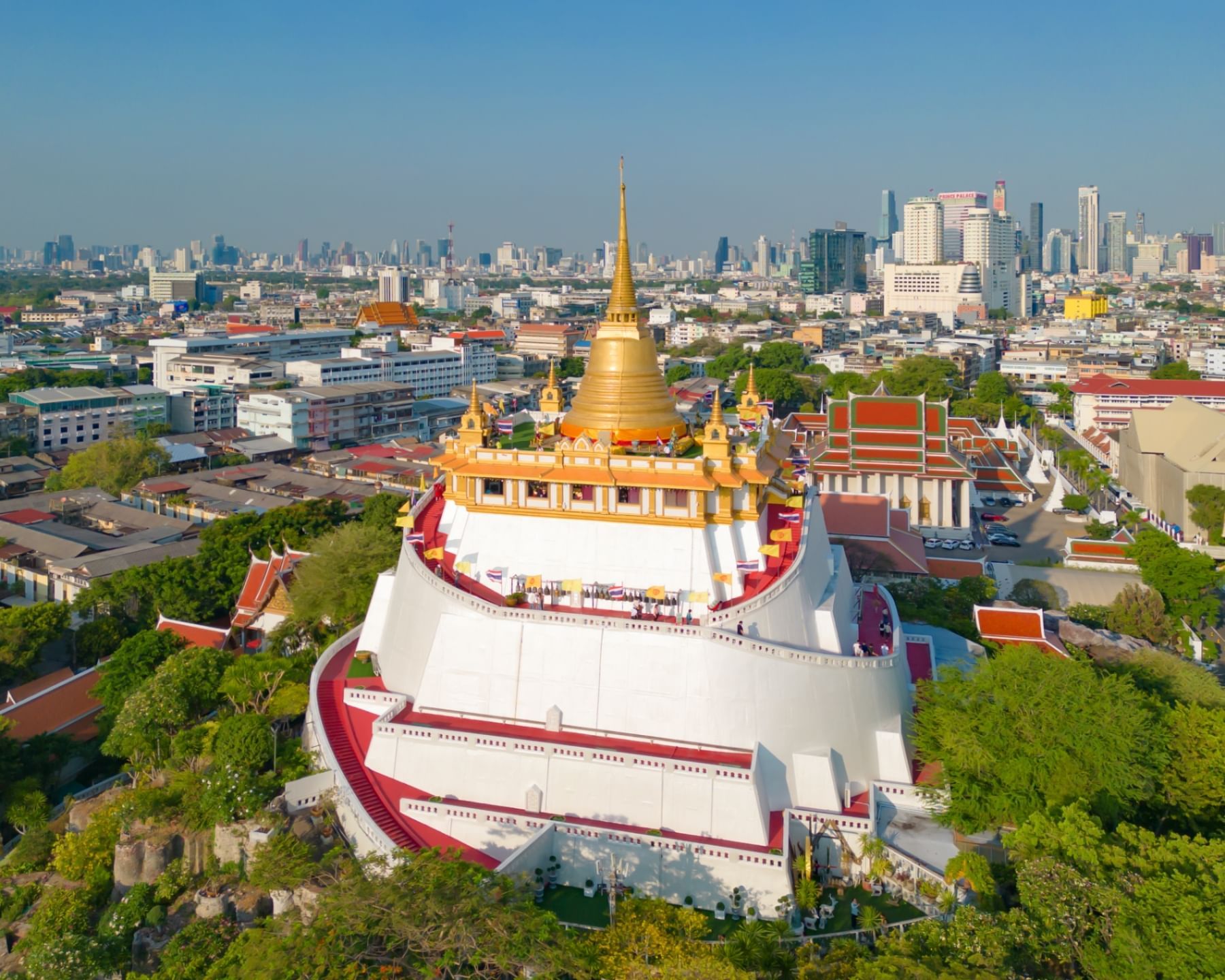
Ban Bat is a small historic community near Wat Saket, known for preserving the traditional craft of making Buddhist monks' alms bowls. These metal bowls are used by monks when receiving food offerings, making them an important part of Thai Buddhist practice.
Traditional handmade versions require multiple stages of metalworking, including shaping, joining, hammering, and finishing. Visiting Ban Bat offers an opportunity to understand the craftsmanship behind a familiar religious object while supporting a community that continues to preserve specialized skills across generations.
Things to discover:
- Traditional craftsmanship: Observe artisans making alms bowls when workshops are operating
- Local workshops: Learn about the tools and techniques used in metalworking
- Handmade souvenirs: Purchase locally crafted bowls or smaller decorative items
- Nearby Wat Saket: Combine your visit with the Golden Mount temple
8. Talat Phlu - A Local Food Paradise in Old Thonburi
- Known for: Traditional Thai-Chinese food, local desserts, old Thonburi streets, and railway heritage
- How to get there: Take the BTS Silom Line to Talat Phlu Station, then walk approximately 1 km or use a motorcycle taxi. Alternatively, take the MRT to Tha Phra and continue by local transport
- Best time to visit: Late afternoon or early evening for food exploration, although individual stalls operate on different schedules
Talat Phlu is a historic neighborhood in Thonburi where generations of residents have maintained a strong culinary tradition. Its streets are lined with noodle shops, dessert stalls, family-run restaurants, and traditional markets serving food loved by Bangkok locals.
Beyond its food scene, Talat Phlu preserves old shophouses, Chinese shrines, temples, and railway heritage. Visitors can spend an afternoon tasting local specialties, watching trains pass through the neighborhood, and exploring streets that feel distinctly different from central Bangkok's modern shopping districts.
Things to discover:
- Traditional street food: Try noodle dishes, roasted pork rice, and Thai-Chinese specialties
- Local desserts: Look for khanom chan, foi thong, and other Thai sweets
- Talat Phlu Railway Station: Discover the neighborhood's railway atmosphere
- Historic temples: Explore Wat Chantharam Worawihan and nearby shrines
9. Hua Takhe Old Market - A Quiet Wooden Canal Market
- Known for: Historic wooden markets, canal-side architecture, peaceful cafés, and local community life
- How to get there: Take the Airport Rail Link to Lat Krabang Station, then use a taxi or local songthaew toward Lat Krabang Soi 17. Walk across the canal bridge to reach the market
- Best time to visit: Late morning to afternoon. Some smaller shops may be closed on certain weekdays
Hua Takhe is a historic canal-side market in Lat Krabang, away from Bangkok's main commercial districts. Its old wooden shophouses, waterside walkways, small restaurants, and creative spaces preserve the atmosphere of a community once connected by canals.
Hua Takhe encourages slower exploration. Travelers can enjoy traditional architecture, discover small shops, and spend time beside the Prawet Burirom Canal. It is a worthwhile destination for visitors interested in photography, community heritage, and exploring a quieter part of eastern Bangkok.
Things to discover:
- Wooden shophouses: Admire traditional buildings overlooking the canal
- Canal-side cafés: Enjoy drinks and local snacks beside the water
- Art and crafts: Explore small creative spaces and workshops when available
- Community life: Photograph historic streets and observe the daily activities of local residents
10. Bang Lamphu - Discover Old Bangkok Beyond Khao San Road
- Known for: Old Bangkok heritage, riverside scenery, community museums, traditional streets, and local food
- How to get there: Take a Chao Phraya Express Boat that stops at Phra Arthit Pier, then explore the surrounding neighborhood on foot. Taxis and ride-hailing services are alternatives
- Best time to visit: Morning for sightseeing or late afternoon for riverside walking and sunset
Bang Lamphu is often associated with nearby Khao San Road, but the wider neighborhood has a much deeper cultural identity. Historic buildings, traditional businesses, temples, museums, and local food shops reveal how this part of Bangkok developed long before it became a popular backpacker destination.
Away from the busiest tourist streets, travelers can explore quieter riverside corners, discover traditional communities, and learn about Bangkok's old-town history. Bang Lamphu is ideal for visitors who enjoy walking, cultural attractions, and a mix of historic atmosphere and contemporary local life.
Things to discover:
- Bang Lamphu Museum: Learn about the neighborhood's history and local communities
- Phra Sumen Fort: See one of Bangkok's surviving historic defensive structures
- Santichaiprakan Park: Relax beside the Chao Phraya River
- Phra Athit Road: Explore cafés, restaurants, and historic streets
Discover Bangkok Hidden Gems from Sindhorn Midtown Hotel Bangkok
For travelers planning to explore different neighborhoods across Bangkok, staying in a central location with convenient public transportation can make the experience easier.
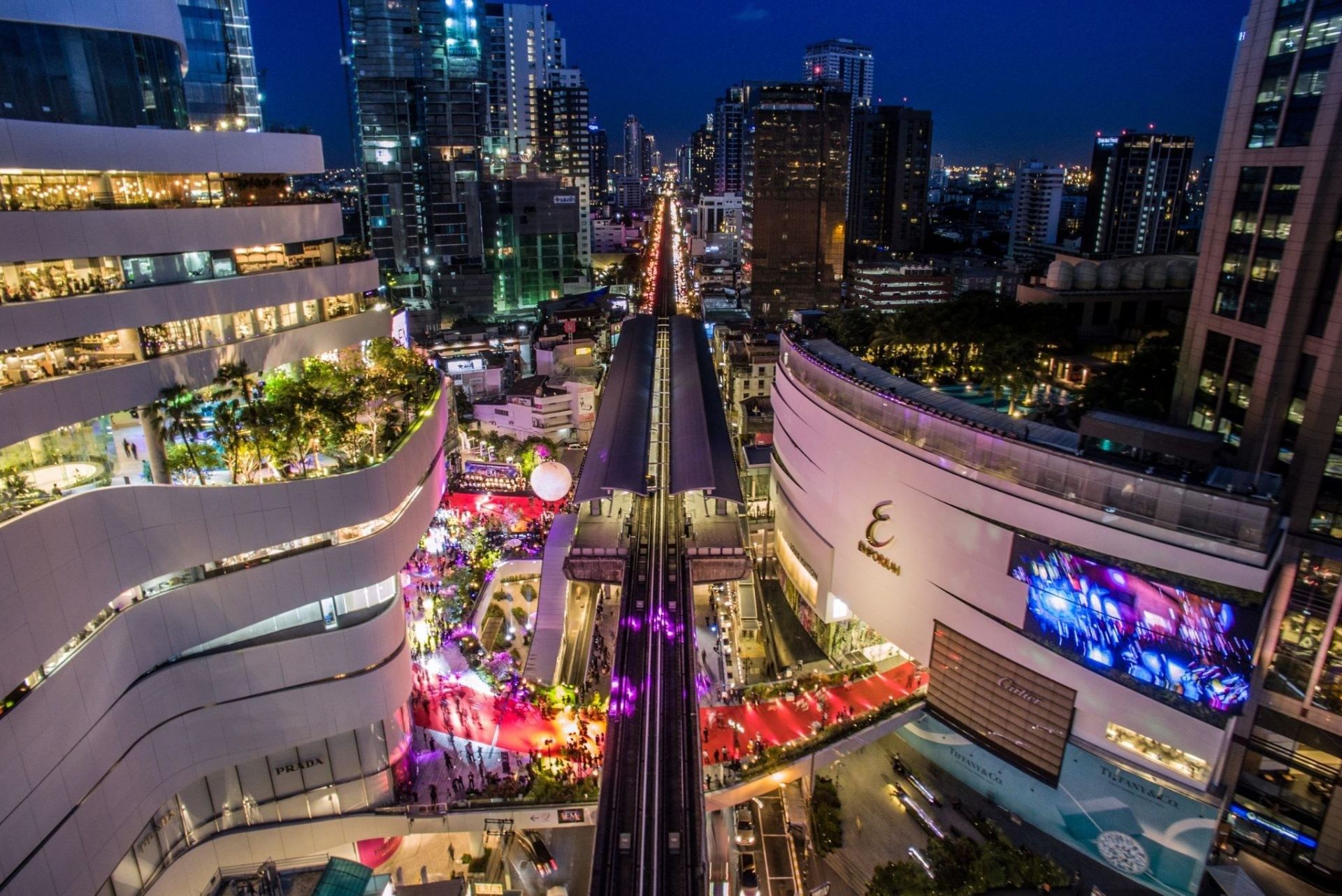
Sindhorn Midtown Hotel Bangkok, Vignette Collection by IHG is located on Langsuan Road, near BTS Chit Lom and BTS Ratchadamri stations, providing connections to Bangkok's shopping districts, cultural attractions, and transportation network.
Travelers can choose accommodation that suits their needs:
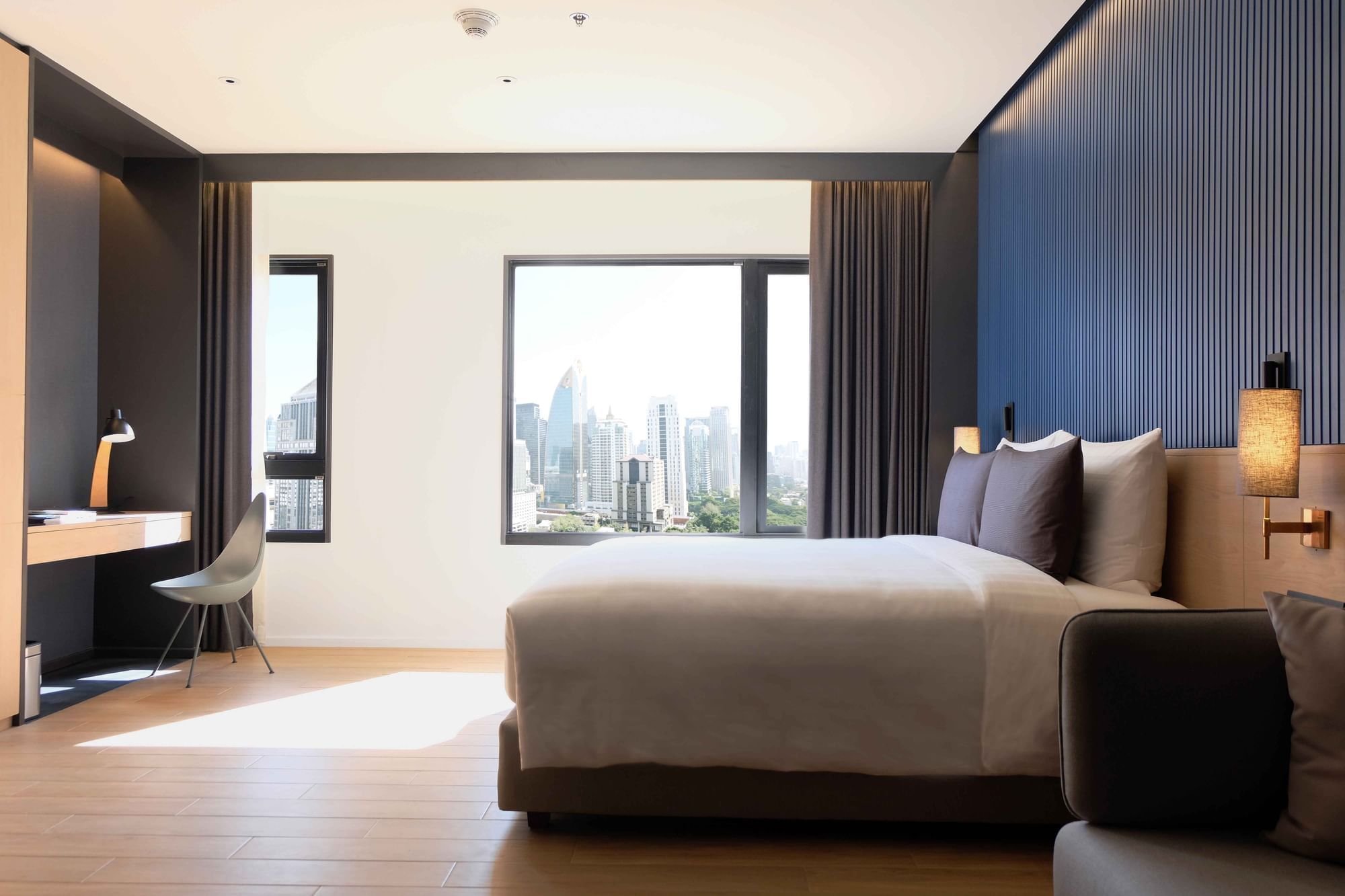
- Standard Room (33 sqm): Ideal for solo travelers or couples, featuring a king-sized bed or twin beds, a 49-inch LED TV, complimentary Wi-Fi, and an in-room air purifier.
- One Bedroom Suite (40 sqm): Offers a comfortable living area, kitchenette, dining table, washer-dryer, and modern amenities for travelers seeking additional convenience
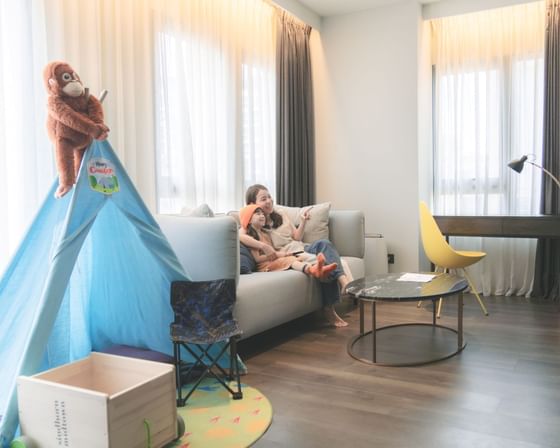
- Two Bedroom Corner Suite (72 sqm): Suitable for families and groups, with one master bedroom with a king bed and master bathroom with a bathtub, a single bedroom with a twin bed, and another bathroom, a spacious living and dining area, a fully equipped kitchenette, and a bathtub
- One Bedroom Urban Studio (40 sqm): Designed for extended stays, featuring a fully equipped kitchen, private balcony, living area, and washer-dryer for a more residential-style experience
Travelers planning an extended cultural itinerary can also check the latest accommodation offers for current packages and booking conditions.